
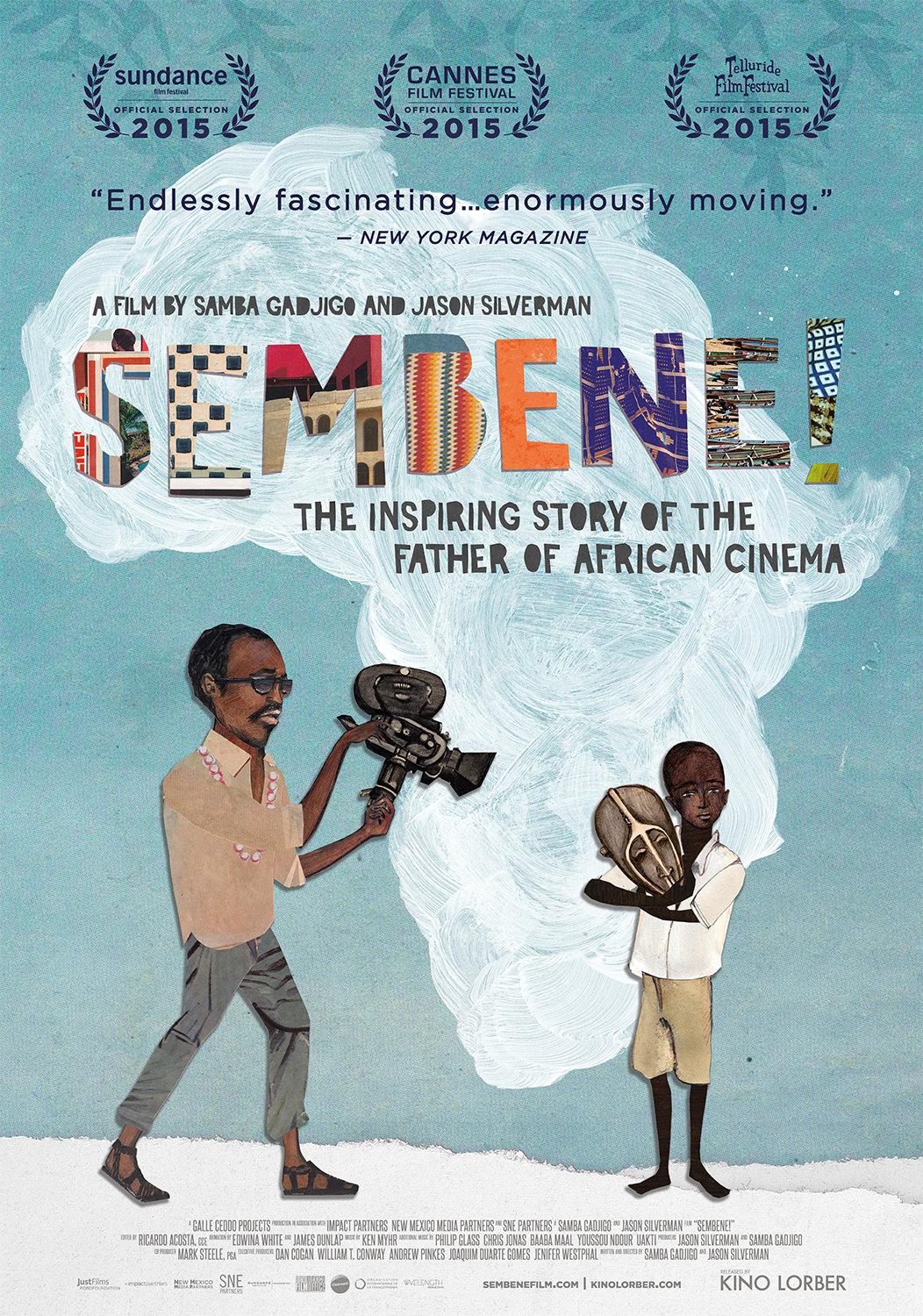
Meet Ousmane Sembene, the African freedom fighter who used stories as his weapon.
Trailer
Cast
Samba Gadjigo
Director
Jason Silverman
Director
Mbissine Thérèse Diop
Self - Diouana
Ousmane Sembene
Self - Various characters
Samba Gadjigo
Writer
Jason Silverman
Writer
You Might Also Like
Sembene!
Korengal
Madu
I Am Bolt
The Last Dance
The Trials of Winnie Mandela
Pirates: Behind the Legends
Genghis Khan: The Secret History of the Mongols
Churchill at War
How to Become a Tyrant
The Men Who Built America
Dark Side of the '90s
Hitler: The Lost Tapes of the Third Reich
Uncensored
Muhammad Ali
Benjamin Franklin
The Beatles: Get Back
Kennedy
Grant
Theodore Roosevelt
Kevin Costner's the West
The Boleyns: A Scandalous Family
Testament: The Story of Moses
Biography: WWE Legends
Comments
5 Comments
source: Sembene!
Sembene! is a look at the life and career of Ousman Sembene, the first sub-Saharan African to direct feature films. The movie is co-directed and narrated by Samba Gadjigo, an American based professor from Senegal who ended up becoming one of Sembene's closest confidantes. As a result of their closeness, the movie ends being as much about their friendship as it is about the man himself, but that is not a bad thing. This approach gives Sembene a humanity that is often absent from documentaries about directors. Gadjigo also present a well rounded picture of the man and does not shy from some of his qualities that lost him some friends and followers. Judicious use of film clips of not only his movies, but also archival footage of Senegal and interviews with Sembene help make this a very enjoyable look at a master of world cinema that many people are unaware of.
source: Sembene!
Sembene! is a look at the life and career of Ousman Sembene, the first sub-Saharan African to direct feature films. The movie is co-directed and narrated by Samba Gadjigo, an American based professor from Senegal who ended up becoming one of Sembene's closest confidantes. As a result of their closeness, the movie ends being as much about their friendship as it is about the man himself, but that is not a bad thing. This approach gives Sembene a humanity that is often absent from documentaries about directors. Gadjigo also present a well rounded picture of the man and does not shy from some of his qualities that lost him some friends and followers. Judicious use of film clips of not only his movies, but also archival footage of Senegal and interviews with Sembene help make this a very enjoyable look at a master of world cinema that many people are unaware of.