
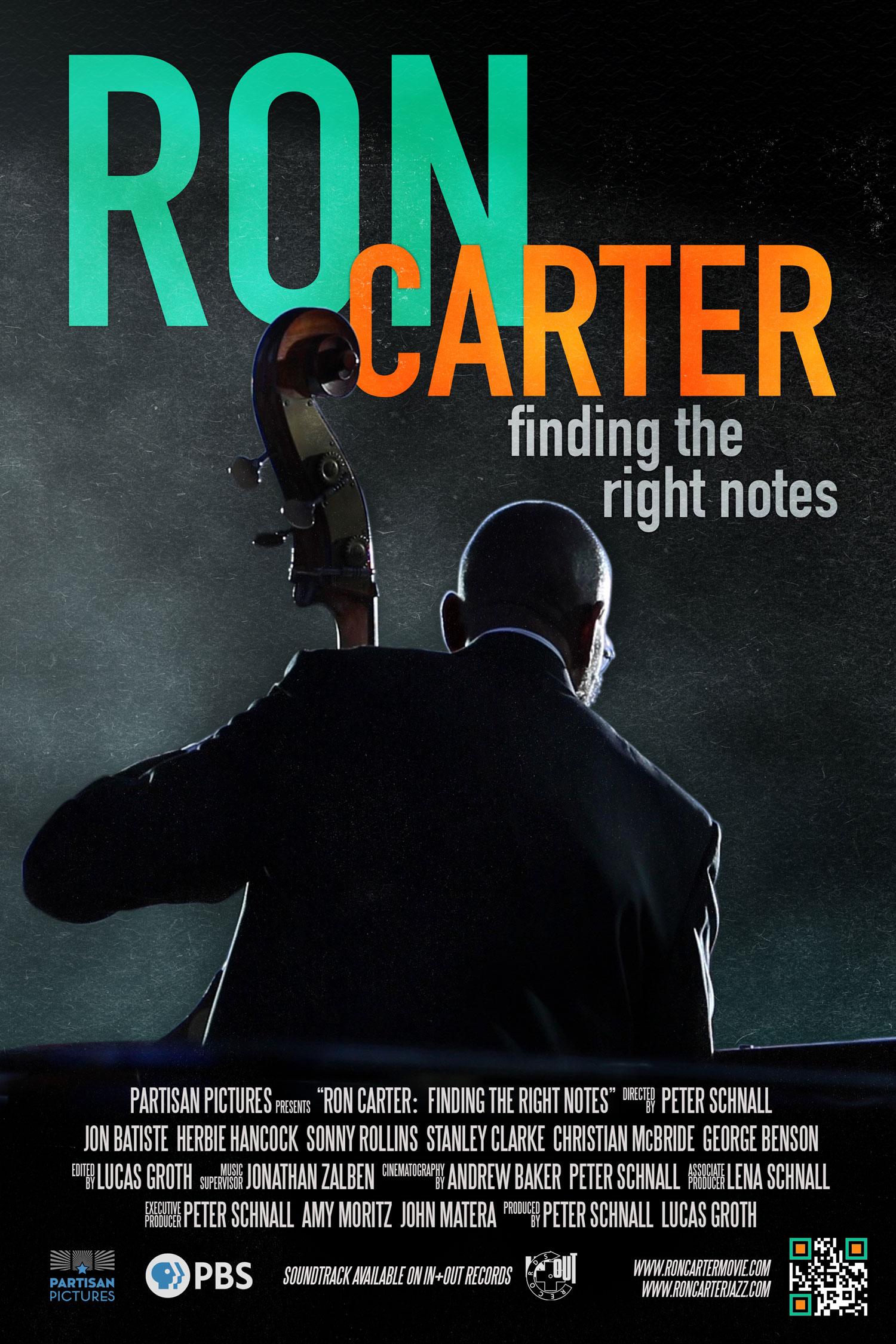
The life and career of jazz musician Ron Carter, the most recorded bassist in history, featuring original concert footage and insights from jazz icons.
الإعلان الترويجي
طاقم العمل
Ron Carter
Self
Jon Batiste
Self
Mark Ruffin
Self
Stanley Clarke
Self
George Benson
Self
Buster Williams
Self
Herbie Hancock
Self
Don Quelette
Self
Sonny Rollins
Self
Brandi Disterheft
Self
Ron Carter Jr.
Self
Christian McBride
Self
Payton Crossley
Self
Victor Wooten
Self
Quintell Williams
Self
Sergio Larios
Self
Renee Rosnes
Self
Poogie Bell
Self
قد يعجبك أيضًا
Ron Carter: Finding the Right Notes
Korengal
ReMastered: Who Shot the Sheriff?
Linsanity
Jackie Robinson
The Story of Drug Trafficking
Leonardo da Vinci
Armada: 12 Days to Save England
Corridors of Power: Should America Police the World?
Living Next Door to Putin
Sean Combs: The Reckoning
نيمار: فوضى مثالية
Justin Bieber: Seasons
Dear Mama
Conversations with a Killer: The Jeffrey Dahmer Tapes
كيف تصبح طاغية
Conversations with a Killer: The John Wayne Gacy Tapes
Hitler: The Lost Tapes of the Third Reich
Untitled Bill Russell/Netflix Documentary
Dynasty: The Murdochs
Muhammad Ali
Mr. McMahon
أرنولد
جانيت جاكسون.
التعليقات
6 تعليق
source: Ron Carter: Finding the Right Notes
Just caught this fine documentary late night on a PBS broadcast, and was delighted to learn a lot about a jazz musician I've long admired, bassist Ron Carter. Beyond his estimable musical talents which I enjoyed in person (dating back to a Miles Quintet performance at Lenny's on the Turnpike in Peabody, Massachusetts in 1966) and on innumerable recordings over the decades, I appreciated learning of his philosophy of life, positive reactions to the travails of racism he experienced during the Jim Crow era, as well as the film's testimonials by his peers, such as bandmate Herbie Hancock (in that memorable Miles Davis quintet of the 1960s, often considered among the greatest combos of all times, in competition with MIles' own 1950s groups). There are many quite moving moments -always signs of a great documentary: Ron standing at the gate of his childhood home, choked up, unable to go inside; his reaction to the death of his son; his looking at photos of greats shown to him by a photographer ranging from Monk to Miles and noting that he'd played with all of them except for Trane; his recollection of having to walk to school way out of the direct route because of streets (including sidewalks) adjacent to his own that as a vintage sign proclaimed were for "Whites Only"; and his many interactions with fans the world over. One colleague refers to him as enigmatic, and I realized that I also knew very little about the man, having sort of taken him for granted, so consistent is the quality of his work over the years. Yes, I owned and listened to many of his LPs and later CDs as a leader, including the important "Uptown Conversation" that featured his young sons on the black & white cover posing with him, but my overall impression was his steady, solid supporting contribution/collaboration with other artists, a true team player. And never the flashy, almost caricature of an icon that we're accustomed to in our celebrity-obsessed culture, like a Miles, Monk or Chet Baker. This highly personal portrait is clearly overdue, and underscores what fans have long known: Ron Carter the GOAT on bass.
source: Ron Carter: Finding the Right Notes
Just caught this fine documentary late night on a PBS broadcast, and was delighted to learn a lot about a jazz musician I've long admired, bassist Ron Carter. Beyond his estimable musical talents which I enjoyed in person (dating back to a Miles Quintet performance at Lenny's on the Turnpike in Peabody, Massachusetts in 1966) and on innumerable recordings over the decades, I appreciated learning of his philosophy of life, positive reactions to the travails of racism he experienced during the Jim Crow era, as well as the film's testimonials by his peers, such as bandmate Herbie Hancock (in that memorable Miles Davis quintet of the 1960s, often considered among the greatest combos of all times, in competition with MIles' own 1950s groups). There are many quite moving moments -always signs of a great documentary: Ron standing at the gate of his childhood home, choked up, unable to go inside; his reaction to the death of his son; his looking at photos of greats shown to him by a photographer ranging from Monk to Miles and noting that he'd played with all of them except for Trane; his recollection of having to walk to school way out of the direct route because of streets (including sidewalks) adjacent to his own that as a vintage sign proclaimed were for "Whites Only"; and his many interactions with fans the world over. One colleague refers to him as enigmatic, and I realized that I also knew very little about the man, having sort of taken him for granted, so consistent is the quality of his work over the years. Yes, I owned and listened to many of his LPs and later CDs as a leader, including the important "Uptown Conversation" that featured his young sons on the black & white cover posing with him, but my overall impression was his steady, solid supporting contribution/collaboration with other artists, a true team player. And never the flashy, almost caricature of an icon that we're accustomed to in our celebrity-obsessed culture, like a Miles, Monk or Chet Baker. This highly personal portrait is clearly overdue, and underscores what fans have long known: Ron Carter the GOAT on bass.
Ron Carter: Finding the Right Notes