
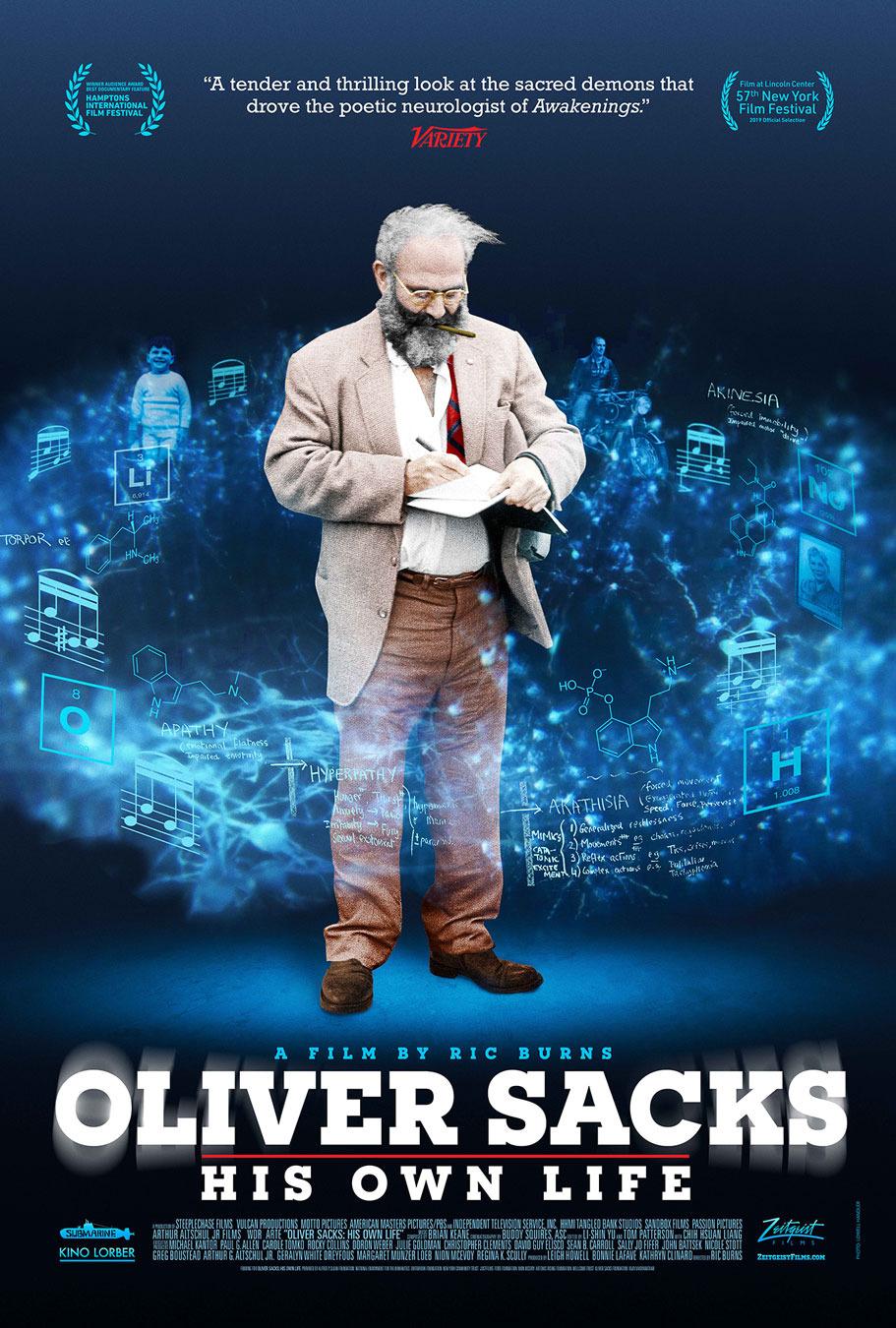
The life and career of the renowned neurologist and author, Dr. Oliver Sacks.
الإعلان الترويجي
طاقم العمل
Ric Burns
Director
Oliver Sacks
Self
Roberto Calasso
Self
António Damásio
Self
Kate Edgar
Self
Shane Fistell
Self
Atul Gawande
Self
Temple Grandin
Self
Theodore Gray
Self
Lowell Handler
Self
Mark Homonoff
Self
Anna Horovitz
Self
Bill Hayes
Self
Eric Kandel
Self
Christof Koch
Self
Robert Krulwich
Self
Jonathan Miller
Self
Rachel Miller
Self
Isabelle Rapin
Self
قد يعجبك أيضًا
Oliver Sacks: His Own Life
12 O'Clock Boys
آنا نيكول سميث: أنت لا تعرفني
Tech Billionaires: Bill Gates
عقول لامعة
Sean Combs: The Reckoning
The Last Dance
نيمار: فوضى مثالية
Dear Mama
Who Killed Malcolm X?
Harry & Meghan
كيف تصبح طاغية
شاك
Dynasty: The Murdochs
Chef's Table
Conversations with a Killer: The Ted Bundy Tapes
Inside Bill's Brain: Decoding Bill Gates
أرنولد
McGregor Forever
لينوكس هيل
تايجر
تايجر كينج 2
Wahl Street
aka Charlie Sheen
التعليقات
8 تعليق
source: Oliver Sacks: His Own Life
Ric Burns' film relying on 60 hours of interviews with Dr. Sacks in his last months of life results in a genuine, vibrant portrait of Oliver Sacks and his large family of patients, friends, relatives, and medical colleagues. It is a remarkably honest memoir. Dr. Sacks' does not hide his own struggles in life, true to his statement that "we are all patients." He is also very open about his own depression, drug addiction, and sexual suppression as an stifled homosexual man which is shown in parallel to his infinite capability to care for others, to uplift others despite his own immense struggles. I love how the movie features raw interview shots with Dr. Sacks, interviews of people who knew and loved him (including Robert Krulwich, Dr. Atul Gawande, and Dr. Temple Grandin) as well as interactions with his patients, which are both solemn and life-instilling. Though there is a lot of heavy material, there is also a humorous wonderful feel to the movie, indicative of Dr. Sacks' personality. In the same way that people who visited him before his death felt that he had cheered them up and inspired them, the viewers feel uplifted by his love of life and humanity rather than overwhelmed by grief at his terminal sickness. I think Ric Burns clearly earned the trust of Dr. Sacks and Billy Hayes and the whole Sacks family, which shows his talent as a film director. It's a very well done movie and though it focuses on Oliver Sacks, one gets to also learn some neuro- science and hear about the internal lives of other famous people who interacted with Sacks.
This was fimed during the last few months of the life of Oliver Sachs, but also includes photographs and footage from his earlier years and his working life as a neurologist and scientist. It is not sensationalised but still manages to show the extremes that he lived through. I felt the sadness of his family life in Britain during World War II and beyond. He went to the USA when he was 27, and although he struggled with drug addiction he was also able to make a medical career for himself. We learn about some of his work with patients who would never have been seen by people outside of the mental hospital where they had spent many years. The medical establishment took many years to accept his ideas and his writings. We also observe his compassion towards his patients, and his bravery in being the vanguard in the understanding of the human brain.
source: Oliver Sacks: His Own Life
This was fimed during the last few months of the life of Oliver Sachs, but also includes photographs and footage from his earlier years and his working life as a neurologist and scientist. It is not sensationalised but still manages to show the extremes that he lived through. I felt the sadness of his family life in Britain during World War II and beyond. He went to the USA when he was 27, and although he struggled with drug addiction he was also able to make a medical career for himself. We learn about some of his work with patients who would never have been seen by people outside of the mental hospital where they had spent many years. The medical establishment took many years to accept his ideas and his writings. We also observe his compassion towards his patients, and his bravery in being the vanguard in the understanding of the human brain.
Ric Burns' film relying on 60 hours of interviews with Dr. Sacks in his last months of life results in a genuine, vibrant portrait of Oliver Sacks and his large family of patients, friends, relatives, and medical colleagues. It is a remarkably honest memoir. Dr. Sacks' does not hide his own struggles in life, true to his statement that "we are all patients." He is also very open about his own depression, drug addiction, and sexual suppression as an stifled homosexual man which is shown in parallel to his infinite capability to care for others, to uplift others despite his own immense struggles. I love how the movie features raw interview shots with Dr. Sacks, interviews of people who knew and loved him (including Robert Krulwich, Dr. Atul Gawande, and Dr. Temple Grandin) as well as interactions with his patients, which are both solemn and life-instilling. Though there is a lot of heavy material, there is also a humorous wonderful feel to the movie, indicative of Dr. Sacks' personality. In the same way that people who visited him before his death felt that he had cheered them up and inspired them, the viewers feel uplifted by his love of life and humanity rather than overwhelmed by grief at his terminal sickness. I think Ric Burns clearly earned the trust of Dr. Sacks and Billy Hayes and the whole Sacks family, which shows his talent as a film director. It's a very well done movie and though it focuses on Oliver Sacks, one gets to also learn some neuro- science and hear about the internal lives of other famous people who interacted with Sacks.
Oliver Sacks: His Own Life