
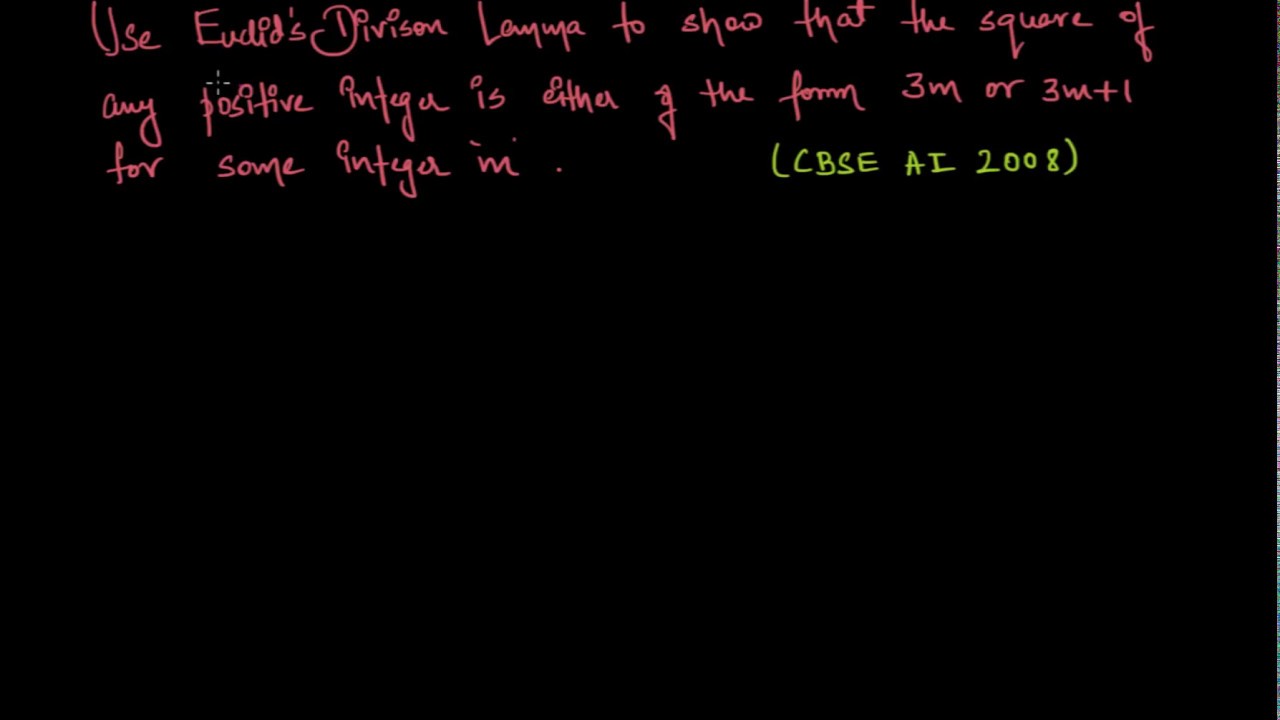
Previous year questions | Class 10 math (Hindi) | Khan Academy
Vous aimerez aussi
PARISHRAM RELOADED 2026 (Class 12th) Mathematics
2024-25 chapter 9 Applied maths class 12 Probability
CBSE Class 10 Maths Full Course: All Chapters Simplified
Motu Patlu New Episodes 2021
FAMILY FIRST
Kids Funny Videos with Chutty Kannamma #Shorts
Grade 10 Science
Plus Two English | 2024 - 2025
Uday Fastrack 2026 (Class 11th) Mathematics
Grade 7 Math Videos
Maths Grade 3
PrePrimary Maths
SSS 3 Mathematics
Pry3 Math
Grade 12 Mathematics
Year 2 Math
Maths Grade 1
Grade 4 Maths
Maths For Class 1 | Learn Maths For Children
4th STD Maths Syllabus
JSS8 Math
Pry5 Math
Mathematics (Junior Secondary School 1)
Fresh Starts with Numberblocks! ❄️ | Learn to Count for Kids
Commentaires
10 commentaires
The ratio of the sums of first m terms and first n terms of an arithmetic progression is m^2: n^2 Show that the ratio of its mth and nth terms is (2m-1) : (2n-1)
The ratio of the sums of first m terms and first n terms of an arithmetic progression is m^2: n^2 Show that the ratio of its mth and nth terms is (2m-1) : (2n-1)
The first and the last terms of an arithmetic progression are 8 and 350 respectively. If its common difference is 9, how many terms are there and what is their sum?
The first and the last terms of an arithmetic progression are 8 and 350 respectively. If its common difference is 9, how many terms are there and what is their sum?
If the sum of first q terms of an arithmetic progression is 2q + 3q^2 What is the common difference?
If the sum of first q terms of an arithmetic progression is 2q + 3q^2 What is the common difference?
The sum of three numbers in arithmetic progression is 12 and sum of their cubes is 288. Find the numbers.
The sum of three numbers in arithmetic progression is 12 and sum of their cubes is 288. Find the numbers.
The digits of a positive number of three digits are in arithmetic progression and their sum is 15. The number obtained by reversing the digits is 594 less than the original number. Find the number.
The digits of a positive number of three digits are in arithmetic progression and their sum is 15. The number obtained by reversing the digits is 594 less than the original number. Find the number.