
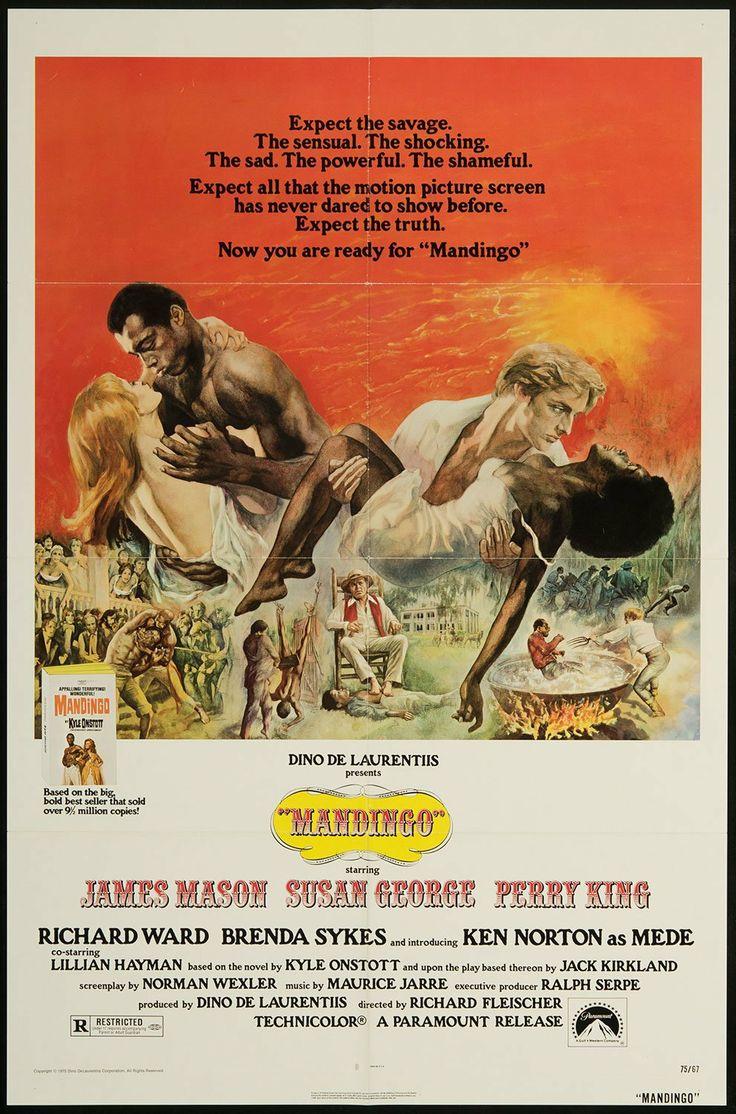
في أربعينيات القرن التاسع عشر، يقوم أحد مالكي العبيد بتدريب أحد عبيده ليصبح مقاتلاً بأيدي عارية.
الإعلان الترويجي
طاقم العمل
Richard Fleischer
Director
James Mason
Warren Maxwell
Susan George
Blanche Maxwell
Perry King
Hammond Maxwell
Richard Ward
Agamemnon
Brenda Sykes
Ellen
Ken Norton
Mede
Lillian Hayman
Lucrezia Borgia
Roy Poole
Doc Redfield
Ji-Tu Cumbuka
Cicero
Paul Benedict
Brownlee
Ben Masters
Charles
Ray Spruell
Wallace
Louis Turenne
De Veve
Duane Allen
Topaz
Earl Maynard
Babouin
Beatrice Winde
Lucy
Debbi Morgan
Dite
Irene Tedrow
Mrs. Redfield
Kyle Onstott
Writer
Jack Kirkland
Writer
Norman Wexler
Writer
قد يعجبك أيضًا
Gowok: Javanese Kamasutra
Someday We'll Tell Each Other Everything
Frantz
A Love Story from the Streets
عهد
الملكة شارلوت: قصة من بريدجرتون
When Calls the Heart
Pan Am
Hatfields & McCoys
قلوب قدرية
Wonderland of Love
Glory
The Princess Weiyoung
الوحيد المثالي
The Rebel Princess
The Empress
Novoland: The Castle in the Sky 2
Chun gui meng li ren
استفزاز
A Tale of Ylang Ylang
Belgravia
Royal Nirvana
Brocade Odyssey
السيف وخيط الحرير
التعليقات
7 تعليق
source: Mandingo
Mandingo
I can see why this was controversial, and no doubt it would be if it were released now (2013). It's stunningly unlike Gone with the Wind. The style is extreme Southern Gothic, (not to be confused with camp). Some shades of Tennessee Williams but goes beyond where he dared. The dialogue is a bit difficult, and DVD has no English subtitles, but you'll be rewarded if you stick with it. (No need to understand every word). I agree that Tarantino was influenced by it but his approach to the subject matter is very different. Mandingo stands on its own as a major work of the 1970s and it's certainly a film that deserves to be better known. Striking photography and music throughout. This film panders to no one, nor does it simplistically tell the viewer what to think about anything. We have the feeling we're on our own with this. Maybe it's no accident that that feels liberating. Fasten your seat belts and see it.
This unflinching, hard-hitting look at slavery is a severely underrated and misjudged film. That's probably because it sheds light onto a tough, painful subject that many people would prefer to ignore or forget; if you're expecting a "slaves-and-masters-are-all-a-big-happy-family" depiction of the life in the mid-19th-century Southern plantations, then this simply isn't your movie. "Mandingo" was followed, one year later, by "Drum". They are both far better films than their reputations might make you believe, and they are also handsome, almost sumptuous productions with a far lower "sleaze" quotient than many reviews seem to indicate. They are both worth seeing - preferably as a double bill. (***)