
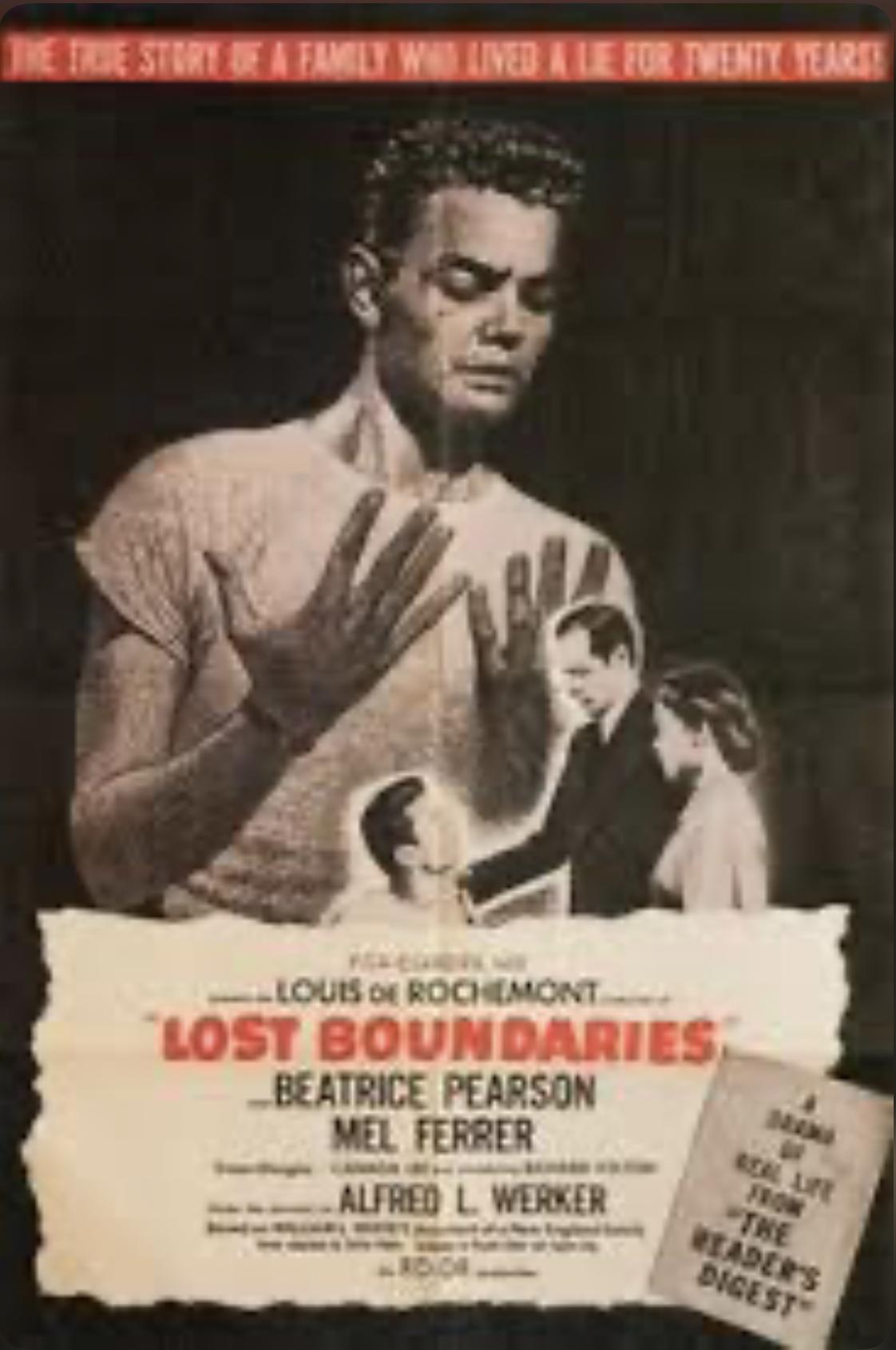
A fair-skinned African American doctor faces discrimination in 1940s America. Unable to find work as himself, he reluctantly "passes" as white, building a successful life in New Hampshire until WWII exposes his heritage.
ٹریلر
کاسٹ
Alfred L. Werker
Director
Beatrice Pearson
Marcia Carter
Mel Ferrer
Dr. Scott Mason Carter
Susan Douglas Rubes
Shelly Carter
Robert A. Dunn
Rev. John Taylor
Richard Hylton
Howard 'Howie' Carter
Grace Coppin
Mrs. Mitchell
Carleton Carpenter
Andy
Seth Arnold
Clint Adams
Wendell Holmes
Mr. Morris Mitchell
Parker Fennelly
Alvin Tupper
Ralph Riggs
Loren Tucker
William Greaves
Arthur 'Art' Cooper
Rai Sanders
Dr. Jesse Pridham
Leigh Whipper
Janitor
Morton Stevens
Dr. Walter Brackett
Maurice Ellis
Dr. Cashman
Alexander Campbell
Mr. Bigelow
Edwin Cooper
Baggage Man
Ormonde Dekay Jr.
Writer
Maxime Furlaud
Writer
Eugene Ling
Writer
Charles Palmer
Writer
Virginia Shaler
Writer
William L. White
Writer
آپ کو یہ بھی پسند آ سکتا ہے
Outlaw Prophet: Warren Jeffs
Tortured for Christ
From Straight A's to XXX
Nelly
Wu-Tang: An American Saga
WeCrashed
The Dropout
Five Days at Memorial
Super Pumped
"Immigrant"
Halston
Feud: Bette and Joan
Julia
The Dropout
Angelyne
Hello Bachhon
Veneno
A Very Royal Scandal
Untameable
Nothing Gold Can Stay
The Dreamer - Becoming Karen Blixen
Nolly
Mr Bates vs. The Post Office
Vardy v Rooney: A Courtroom Drama
تبصرے
6 تبصرے
source: Lost Boundaries
Lost Boundaries
The production of this film is so so. Nothing to brag about. But the subject content and the way it was approached, at least for the time that it was produced and shown, this was a groundbreaking film. No wonder it was banned from many movie theatres in the South and in the north, simply because it speak truth to power and it humanized black people. Once you're able to humanize something or to empathize with it, you're less likely to abhor or hate it. That's why this movie is so great, and it's why it got so much flak from White America for portraying such truth.
I actually had the opportunity to view this movie with the son and mother who are portrayed in the film. A group of us watched the movie then discussed it with the family. The father had already passed away. It was very interesting because they were light-skinned but they did not actually look white to me. I am a very lighted-skinned black person mistaken for white all the time so I can see how this could have happened, how people might have assumed they were some sort of ethnic mix or something, although they looked like light skinned black people to me. I have relatives who passed for white during this same time period so it's not really that surprising a story in that respect, just something that happened. I often wonder how my now "white" cousins are doing. I've heard estimates that 10-25% of southern whites actually have some black ancestry. The son did not even know he was a "Negro" until his dad was "outed" when he tried to enlist in the military.
The topic of racial boundaries is explored in fine detail in this story about a light-skinned doctor and his family who all pass for white in a New England town. All points of view and opinions are represented. What makes this such a remarkable film is that it was made in 1949, hardly a year of profound social change in America when it came to the color line. This makes the movie that much more daring. A much better look at the topic of passing than either Pinkie or the second version of Imitation of Life (the first was quite extraordinary, and far superior). There are some really wonderful scenes including one at the town dance when the doctor's son brings home a dark-skinned black friend. The levels of acceptance and non-acceptance of the young black man are nuanced and played out beautifully. The film suffers a tiny bit from hokey dialogue and mild melodrama, but that is more a result of the year it was made.