
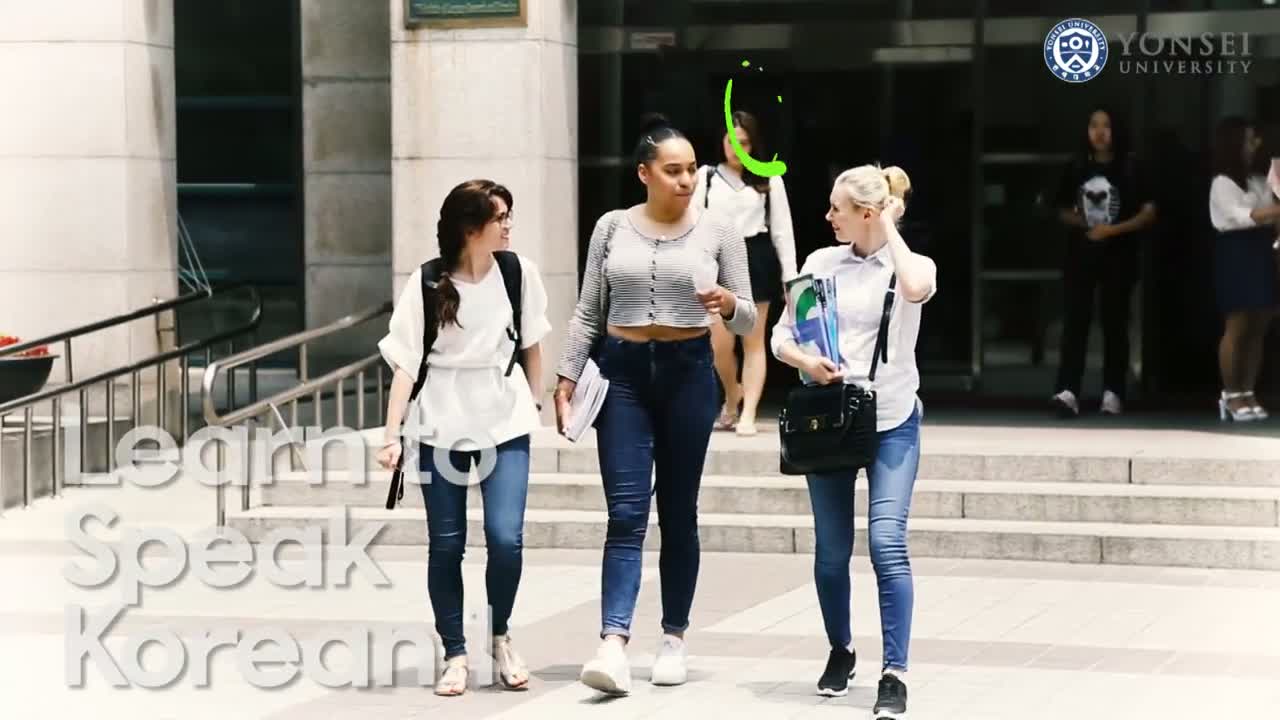
Welcome to Learn to Speak Korean 1! This course is for beginner students who are familiar with the Korean alphabet, Hangeul. Through this course students will learn the skills essential for daily interactions with Koreans while living in Korea. This course consists of six modules, and each module is composed of five units. Each unit has vocabulary, grammar and expressions, conversation practice, video clips, quizzes, a workbook, and vocabulary lists. In order to assist students with their independent studies, Korean learning materials such as lecture notes, workbooks, and vocabulary lists detailing each day’s lecture are also provided. The vocabulary lists are accompanied by English, Chinese, and Japanese translations. I hope that you enjoy all this program has to offer over the next six weeks. After studying in this program, you will be able to have a real Korean conversation with your newly acquired knowledge of the Korean language. Thank you! Your Course Team Chief Contents Developer: Sang Mee Han Contents Developers: Bock Ja Lee, Yoo Kyung Choi, Ha Min Cho, Ju Eun Kim Production Assistants: Jin Hee Kim, Eun Hye Kim
قد يعجبك أيضًا
Alphabet (ABC) Songs by CoComelon
SS 2 Chemistry
CocoMelon | Little Baby Bum | Blippi - Nursery Rhymes & Kids TV Shows
SS 2 Mathematics
Learn to Speak Korean 1
The Original CoComelon Alphabet Series
ABC Songs for Kids - CoComelon Nursery Rhymes
Nursery Rhymes | Words & Sounds
SS 2 Physical
Korean 101: Essential Expressions
First Step Korean
A Bridge to the World: Korean Language for Beginners Ⅰ
Let's Learn Useful Korean Expressions
SS 1 Physics
SS 2 English
SS 2 Government
SSS10 Math
Kids Songs by CoComelon
CoComelon
Learn English With Disney Movies
Baby Learning with CoComelon - Colors, Shapes and Numbers!
CoComelon - Happy Holidays
Educational Videos for Children - Lingokids
BabyBus | Learning Vehicles Song | Car Songs | Cars for Kids | Nursery Rhymes | Baby Cartoon
التعليقات
10 تعليق
6.5 Lecture
6.5 Lecture
6.5 Lecture
6.4 Lecture
6.4 Lecture
6.4 Lecture
6.3 Lecture
6.3 Lecture
6.3 Lecture
6.2 Lecture