
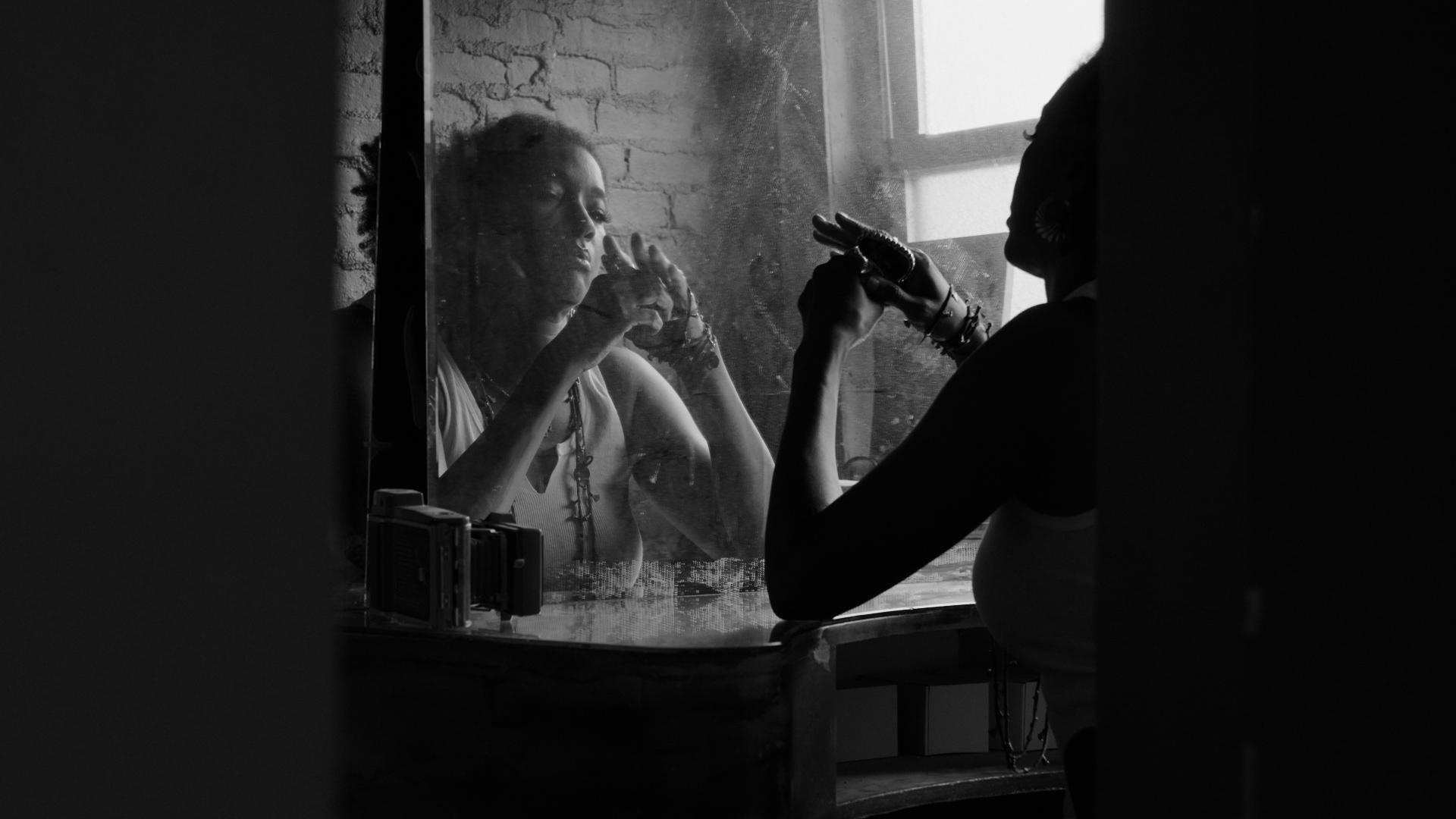
Angola Do You Hear Us? Voices from a Plantation Prison gives us a window into playwright Liza Jessie Peterson's performance in 2020 of her acclaimed play The Peculiar Patriot performed at Angola, the Louisiana State Penitentiary, said to be America's largest prison.
الإعلان الترويجي
طاقم العمل
Cinque Northern
Director
Norris Henderson
Self
Liza Jessie Peterson
Self - Liza Jessie Peterson
قد يعجبك أيضًا
Angola Do You Hear Us? Voices from a Plantation Prison
Fast & Furious 6: Take Control
ولاية ألاباما ضد بريتني سميث
صناع العلم
Killer Sally
Buried
The Devil You Know
The Killer Nanny: Did She Do It?
Children of the Cult
Creedon's Atlas of Ireland
Inside Look: The People v. O.J. Simpson - American Crime Story
سام الصالحة
not the bride he wanted
الأصليون
بلدة الضياع
قوة
كتاب القوة الثاني: الشبح
العميل الليلي
مع قبلاتي، كيتي
إس.دبليو. إيه. تي
إمبراطورية
Ruthless
البيت الورقي
صيف نشر ذراعيه
التعليقات
4 تعليق
source: Angola Do You Hear Us? Voices from a Plantation Prison
You will not see a play here. This is a documentary about Liza Jessie Peterson's endeavor to perform her play, "The Peculiar Patriot" at Angola, the Louisiana State Penitentiary. In so doing, she opens our eyes to the plight of minority prisoners (in particular black prisoners) in the US. The film opens with her travel to the prison. Angola is on the land of a former Southern Plantation and took its name from that plantation. The land is farmed, and cattle are raised there, for food, making the prison a self-sustaining legacy to its former status as a slave plantation. Even cotton is grown there. The difference is the black slaves have been replaced by predominantly black prisoners. The majority of drug dealing, and petty crimes are committed by white people, but the majority of those sent to prison for minor crimes instead of community service and parole, are black and latino. They work long hard hours and lose much of their youth lost in the criminal justice system. The play was intended to focus on that truth with some humor thrown in to entertain the prisoners. The prison authorities couldn't handle that truth being shown in the play and shut it down partway through the performance. But it was too late, as the prisoners' eyes were opened, and they rose up nonviolently with fists raised. This opened up conversations and dialog among those at Angola. Hopefully this film gets a wider audience and opens eyes around the entire country to criminal justice and racial inequality reforms. The best part was that this documentary was performed with both truth and compassion, without violence or angry shouts, that might turn off some segments of society. This film has the potential to do a lot of good, if we can get enough people to see it. This short film needs to go viral.
source: Angola Do You Hear Us? Voices from a Plantation Prison
You will not see a play here. This is a documentary about Liza Jessie Peterson's endeavor to perform her play, "The Peculiar Patriot" at Angola, the Louisiana State Penitentiary. In so doing, she opens our eyes to the plight of minority prisoners (in particular black prisoners) in the US. The film opens with her travel to the prison. Angola is on the land of a former Southern Plantation and took its name from that plantation. The land is farmed, and cattle are raised there, for food, making the prison a self-sustaining legacy to its former status as a slave plantation. Even cotton is grown there. The difference is the black slaves have been replaced by predominantly black prisoners. The majority of drug dealing, and petty crimes are committed by white people, but the majority of those sent to prison for minor crimes instead of community service and parole, are black and latino. They work long hard hours and lose much of their youth lost in the criminal justice system. The play was intended to focus on that truth with some humor thrown in to entertain the prisoners. The prison authorities couldn't handle that truth being shown in the play and shut it down partway through the performance. But it was too late, as the prisoners' eyes were opened, and they rose up nonviolently with fists raised. This opened up conversations and dialog among those at Angola. Hopefully this film gets a wider audience and opens eyes around the entire country to criminal justice and racial inequality reforms. The best part was that this documentary was performed with both truth and compassion, without violence or angry shouts, that might turn off some segments of society. This film has the potential to do a lot of good, if we can get enough people to see it. This short film needs to go viral.