
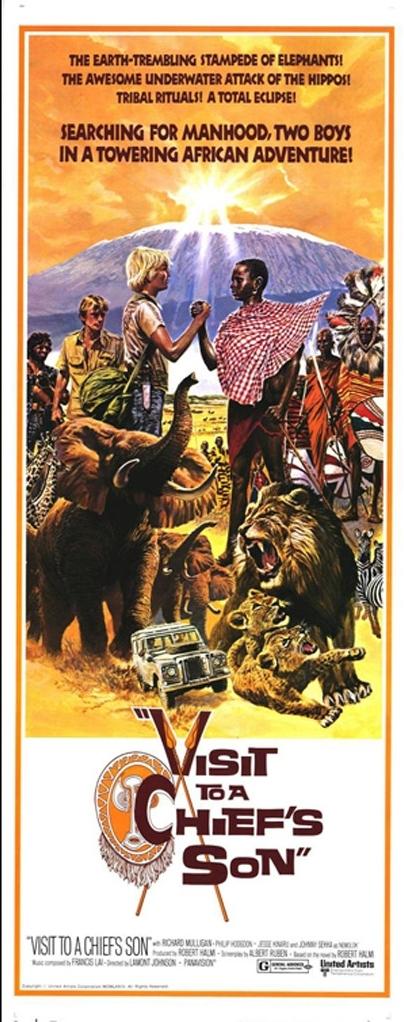
An American anthropologist and his son benefit from their experiences with an East African tribe.
الإعلان الترويجي
طاقم العمل
Lamont Johnson
Director
Richard Mulligan
Robert
Johnny Sekka
Nemolok
John Philip Hogdon
Kevin
Jesse Kinaru
Codonyo
Jock Anderson
Jock
Chief Lomoiro
Chief
Robert Halmi Sr.
Writer
Albert Ruben
Writer
قد يعجبك أيضًا
الحورية الصغيرة
The Wolf and the Lion
Vicky and Her Mystery
المملكة السرية
Secrets of Sulphur Springs
Lost in Space
House of Anubis
Crookhaven
Creeped Out
هاردي بويز
رونيا ابنة اللص
نادي الغوص
Khun Chai Pawornruj (Part 2)
بيل إير
Saints & Sinners
The Five Star Weekend
the rise of lycan queen
The dawn of Olympus son of apollo
Runaway Single Mom, Safe in His Arms
battle racer
Son of Odin
knight of the lost heirs
Rivals to Lovers
Monster Aku Terikat Dengan Dewi
التعليقات
5 تعليق
source: Visit to a Chief's Son
Visit to a Chief's Son
I love the sounds of the bush, the whydah birds dancing, and the wildlife that abounds. Africa has changed tremendously since this film was made. But oh. The sounds, the animals. This film is a tribute to indigenous tribes throughout the world. We have done them all an injustice. At least that's my opinion. There should be room for all of us no matter what are prejudices are or what we believe. I've really enjoyed this movie no matter where it was filmed or what was entailed in its production. It's not wrong. And when is the last time you've seen a whydah bird? It's just magical. Africa is magical, even with all its flaws.
Visit to A Chief's Son is a strange mixture of anthropology, travelogue, and social commentary. Beautifully filmed by Ernest Day, who went on to work on several James Bond films, it's the story of scientist Richard Mulligan and his attempts to get close to the Masai people of Kenya. His son, played by John Philip Hogdon in a commendably understated performance, gums up the works, and an educated-in-London Masai (Johnny Sekka) further complicates matters by messing with Mulligan's preconceived notions about 'the natives'. It's not very exciting, but it is an interesting and serious look at the pressures put on tribal peoples by modernism and progress. It would be nice to see the film in its proper aspect ratio as the TV print really doesn't do Day's work justice.